Amazing Parasites
The gruesome facts attract children.
They stay for the biology.
The snail develops vibrant tentacles and moves into the light, where a bird waiting to eat it can spot it.
A fungus takes control of an insect.
A worm changes the behaviour of a fish and sends it towards the surface.
These stories sound invented.
But they happen in nature.
“Amazing Parasites” by Alena Vasnetsova turns parasitology into a collection of strange, vivid survival dramas.
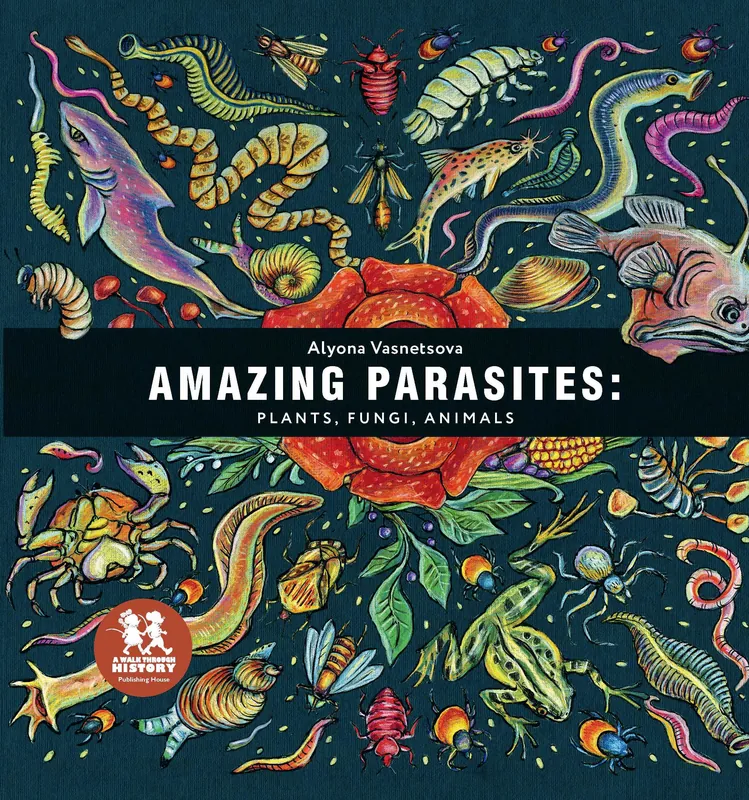
64 pages | Age 6+ | Illustrated nonfiction
Translation rights are available.
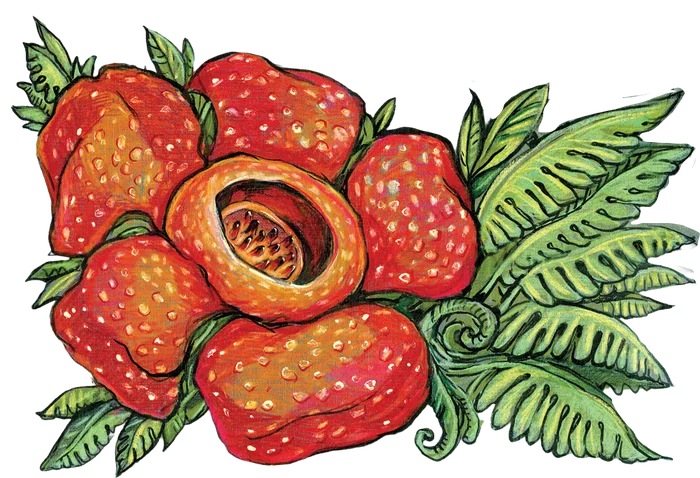
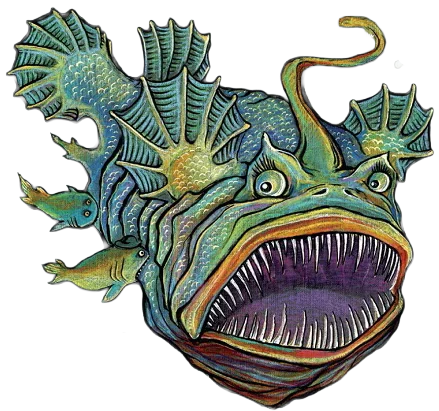
A biology book at the pace of a detective story
To find, enter, and stay in a host, parasites utilize extraordinary techniques. They may change its appearance or influence its behaviour. Their life stories lead young readers into evolution, ecology, and animal behaviour.
Each chapter of the book is independent of the others. Each one introduces an organism, follows its life cycle, and explains the strategy that helps it survive. Readers can move through the book from the first page or open it anywhere.
Parasites are both disturbing and remarkably creative. They also belong to healthy ecosystems. Their disappearance can warn scientists that a habitat is in trouble. Their biological mechanisms may inspire research in medicine and agriculture.
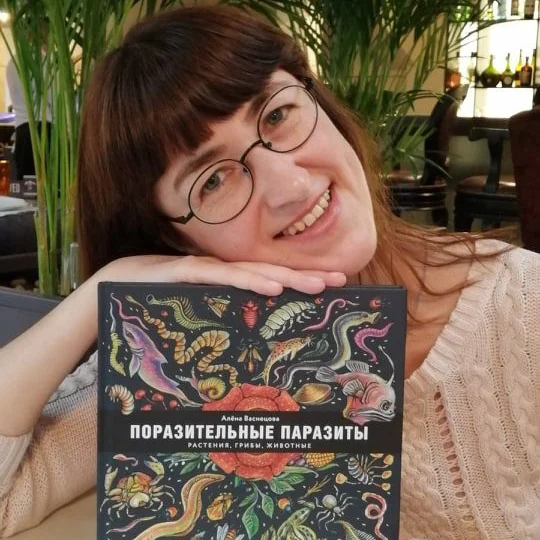
Alena Vasnetsova approaches this peculiar world with both warmth and curiosity.
Readers praised the book’s vivid language, unexpected facts, and sense of kindness. They noted also how naturally the words and pictures work together.
Biologist Yuri Maslov served as scientific editor and fact-checker.

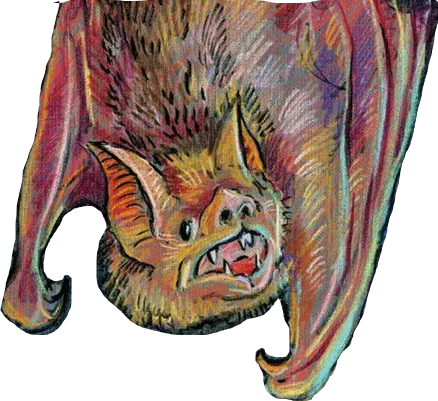
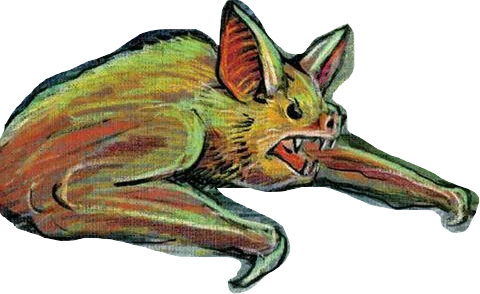
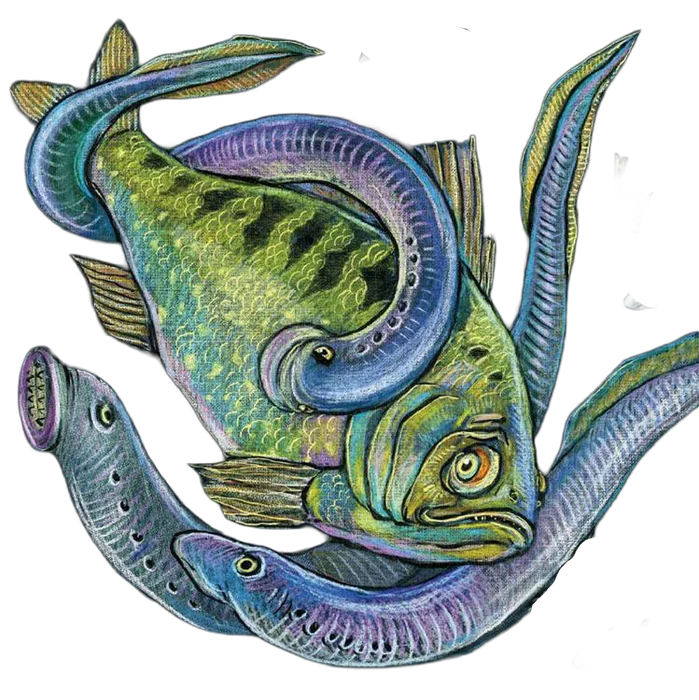
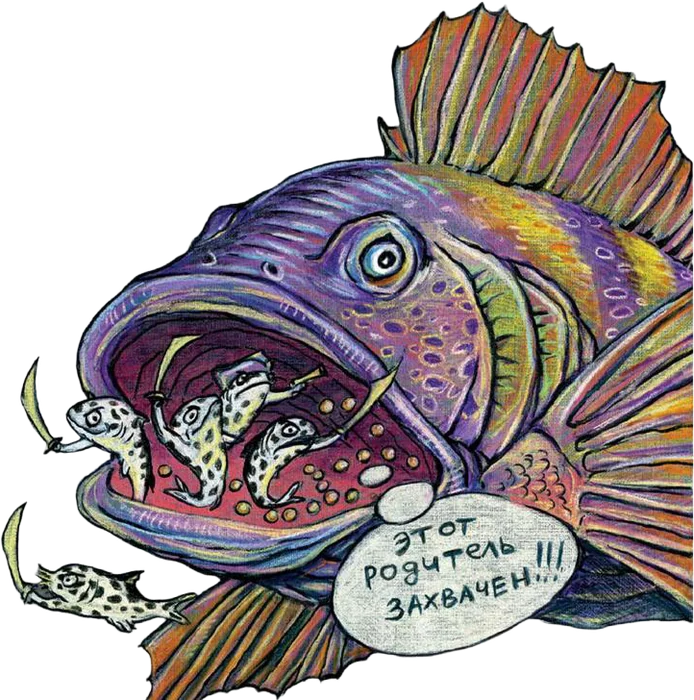
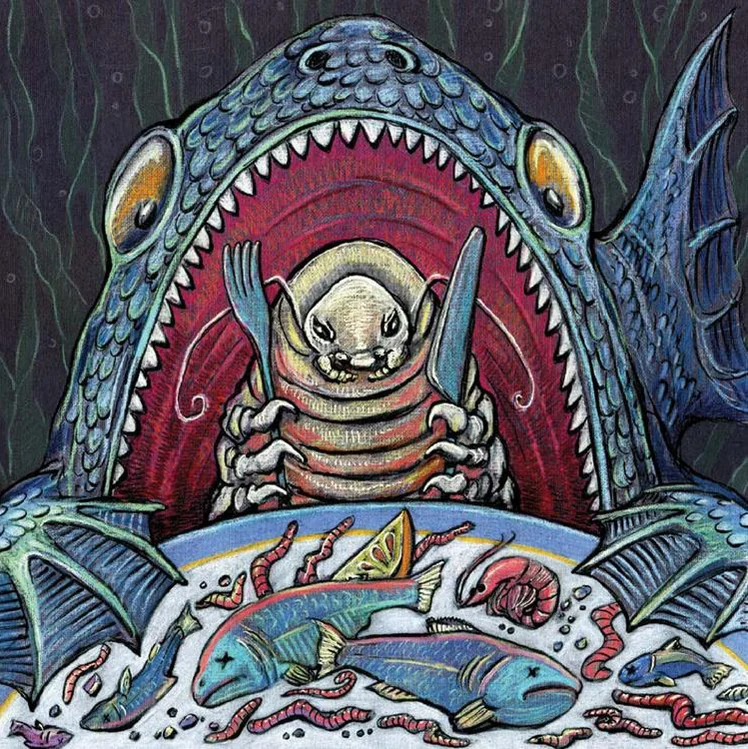
Fyodor Vladimirov’s funny drawings add character to the creatures without sacrificing the science.
A strong international non-fiction concept
The subject is adaptable to different languages and bypasses the need for a national curriculum. It fits naturally into children’s biology, ecology, and strange science.
The promise is immediate:
Living organisms. Unbelievable strategies. Serious biology told with humour.
The illustrated format suits bookstores, school libraries, family reading, and museum shops.